
Subfloor Preparation Essentials: Ensuring Long-Term Success for Vinyl, Laminate, and Hardwood
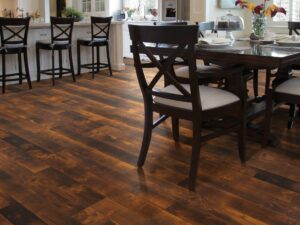
When planning a home flooring renovation, most of the focus naturally centers on selecting plank colors, wood grain patterns, and surface finishes. However, the long-term performance and stability of your floor depend heavily on what lies beneath the surface: subfloor preparation. Placing premium luxury vinyl plank, laminate, or real hardwood over an uneven, damaged, or moist subfloor often leads to creaking, seam separation, or premature wear. Proper subfloor inspection and preparation ensure your investment remains flat, quiet, and secure for decades.
Evaluating Subfloor Types in Greater Lafayette Properties
Homes across Lafayette, IN and surrounding communities like Frankfort and Crawfordsville feature a wide variety of subfloor constructions, ranging from wooden joist systems in historic homes to concrete slab foundations in newer builds. Each substrate presents specific requirements prior to plank installation.
Wooden Subfloors: Securing Plywood and OSB
Wooden subfloors require thorough evaluation for structural integrity, squeaks, and levelness.
- Fastening Loose Sheets: Install wood screws into subfloor joists to eliminate squeaks caused by rubbing boards.
- Sanding High Joints: Sand down raised seams between plywood or oriented strand board (OSB) sheets to create a smooth transition.
- Filling Low Spots: Apply self-leveling underlayment compound over dips exceeding 3/16 inch across a 10-foot radius.
Concrete Slabs: Addressing Moisture and Levelness
Concrete subfloors, common in finished basements and single-story builds across West Lafayette, IN, tend to absorb moisture from surrounding soil. Testing concrete for moisture emissions before laying down new materials is vital. High moisture levels can ruin adhesives beneath luxury vinyl or cause hardwood sub-layers to warp.
Subfloor Requirements for Specific Surface Materials
Different flooring options interact with subfloors in distinct ways. Matching material needs to your subfloor ensures optimal installation quality.
Luxury Vinyl Plank (LVP) and Tile (LVT)
Because vinyl planks are relatively flexible, subfloor imperfections can show through the surface visual over time.
- Ensure subfloors are completely clean of drywall dust, paint overspray, and grit before installation.
- Use Stone Plastic Composite (SPC) rigid core vinyl when covering minor subfloor imperfections, as its dense core spans small dips smoothly.
Laminate Flooring
Laminate requires a flat subfloor to prevent the click-lock joint system from flexing underfoot. Installing a proper acoustic foam underlayment cushions the planks, absorbs minor subfloor irregularities, and dampens footstep sounds.
Solid and Engineered Hardwood Flooring
Hardwood requires a solid, dry foundation.
- Solid Wood: Must be nailed or stapled to a clean, wooden subfloor at or above ground level.
- Engineered Wood: Can be glued, floated, or nailed over concrete or wood subfloors, provided a suitable moisture barrier is installed.
Protecting Your Renovation Investment
Investing time and effort into subfloor preparation guarantees that your new floors perform well under daily foot traffic. Proper prep work prevents unwanted plank movement, noisy steps, and seam separation.
Working with an experienced local flooring partner ensures subfloor conditions are evaluated correctly before installation begins. To explore our team’s background, installation standards, and dedication to quality service, read more About Us.
Ready to get your renovation started on a solid foundation? Visit our Location page to find directions to our Lafayette showroom and speak with our project specialists today.